The Best Midi Dresses for Every Body Shape

Why the Midi Dress Works
Few silhouettes have proven as consistently versatile as the midi dress. Sitting between the knee and the ankle, it offers a balance of polish and ease that works across seasons, settings, and occasions.
The reason midi dresses endure is simple: they adapt. The right design can feel structured yet fluid, understated yet impactful. With thoughtful construction and fabric choice, a midi dress has the ability to complement a wide range of proportions and personal styles.
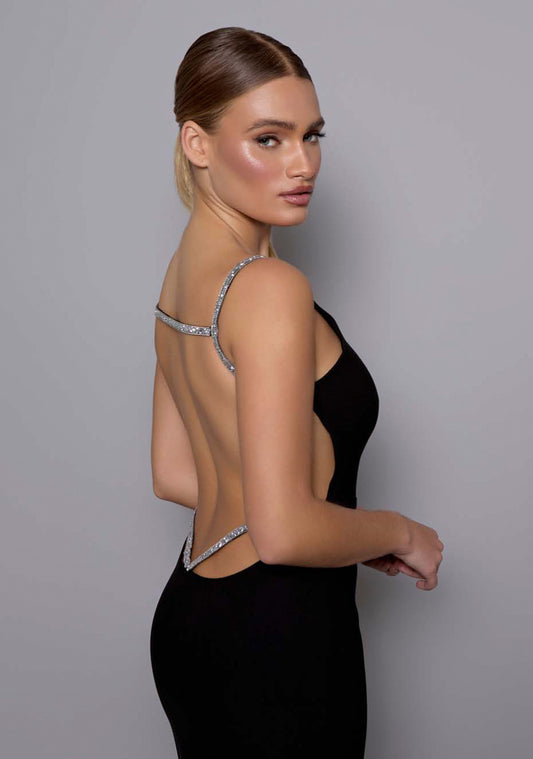
At VSPR, silhouettes are designed with that adaptability in mind. Sculpted fabrics, refined cuts, and considered details allow the dress to support the wearer rather than compete with them.
Understanding which shapes and proportions work best for you doesn’t mean limiting your options. Instead, it provides clarity - helping you choose pieces that feel comfortable, confident, and effortless to wear.
This guide explores how midi dresses work across different body shapes and proportions, offering styling insight to help you find the silhouettes that feel most natural for you.

Understanding Body Shapes
Body shapes are simply a way to describe proportions - how the shoulders, waist, and hips relate to one another. They are not rules, and very few people fit perfectly into a single category.
The purpose of understanding shape is not to restrict what you wear, but to help you identify silhouettes that highlight the proportions you feel most confident in.
Commonly referenced shapes include:
-
Hourglass: shoulders and hips balanced with a defined waist
-
Pear: hips slightly wider than shoulders
-
Apple: fuller through the midsection
-
Rectangle: shoulders, waist, and hips of similar width
-
Inverted triangle: shoulders broader than hips
These categories are simply starting points. Fabric, tailoring, and design details often matter more than labels. The most flattering midi dresses are those that balance proportion, create movement, and feel comfortable to wear.
Midi Dresses for Hourglass Shapes
Hourglass proportions are naturally balanced through the shoulders and hips, with a defined waistline acting as the focal point of the silhouette.
Midi dresses that emphasise this waist definition tend to work particularly well. Wrap styles, belted silhouettes, and dresses with sculpted seams allow the waist to remain the centre of attention while maintaining balance across the body.
Stretch fabrics and structured materials help maintain this shape without feeling restrictive. When the dress skims rather than clings, the overall effect feels elegant and refined.
Necklines that frame the upper body - such as V-necks or softly structured straps - also complement hourglass proportions by maintaining visual harmony between the upper and lower halves of the silhouette.
The goal isn’t exaggeration, but clarity. A well-cut midi dress allows the natural shape of the body to remain visible while still feeling polished and effortless.
Midi Dresses for Pear Shapes
Pear-shaped proportions are defined by hips that are slightly wider than the shoulders. The most effective silhouettes for this shape create visual balance by drawing attention upward.
Midi dresses with interesting necklines, statement sleeves, or structured shoulders help achieve this balance. These details introduce visual interest at the top of the silhouette, creating harmony between the upper and lower body.
A-line skirts are particularly flattering for pear shapes. The gentle flare from the waist allows the dress to move fluidly while maintaining a refined structure. Fabrics that hold their shape slightly - rather than clinging - enhance this effect.
When the upper portion of the dress introduces detail or dimension, the overall silhouette feels balanced and elegant. The result is a look that feels confident without appearing overly structured.
Midi Dresses for Apple Shapes
Apple-shaped proportions tend to carry fullness through the midsection, often paired with strong shoulders and great legs.
The most flattering midi dresses for this shape focus on creating vertical movement and soft structure. Empire lines, V-necklines, and fluid fabrics allow the dress to move naturally while maintaining elegance.
Empire waists gently define the area just below the bust, allowing the rest of the dress to flow freely. This creates a silhouette that feels balanced and comfortable.
V-necklines are another effective detail. By drawing the eye vertically, they introduce length to the overall silhouette.
The key lies in fabrics that drape rather than cling. Fluid materials maintain polish while ensuring the dress feels effortless to wear.
Midi Dresses for Rectangle Shapes
Rectangle proportions tend to have shoulders, waist, and hips that sit in relatively similar alignment. The goal when styling this shape is often to introduce dimension or create the suggestion of curves.
Midi dresses with ruching, asymmetric cuts, or sculpted paneling help create this effect. These design details introduce visual movement, allowing the silhouette to feel more dynamic.
Peplum elements, wrap-style cuts, and subtle waist definition can also create shape without feeling overly structured.
Textured fabrics or layered construction add depth to the overall look, preventing the dress from appearing too linear.
Ultimately, the aim is to create visual interest while maintaining the clean lines that make midi dresses so versatile.

Midi Dresses for Petite Frames
For petite frames, proportion and length become particularly important when choosing midi dresses.
The key consideration is where the hemline falls. Ideally, the dress should end just above the ankle rather than cutting across the widest part of the calf. This elongates the leg line and keeps the silhouette balanced.
Vertical details can also help create the illusion of height. Elements such as seams, subtle draping, or structured paneling guide the eye downward and extend the overall silhouette.
Keeping styling simple often works best. Clean lines and minimal accessories ensure the dress remains the focal point.
When chosen thoughtfully, midi dresses can feel just as natural on petite frames as any other silhouette.
Midi Dresses for Tall Frames
Tall proportions offer unique flexibility when it comes to midi dressing. Longer hemlines that might appear overwhelming on other frames often feel perfectly balanced on taller figures.
This allows for experimentation with slightly longer midis or midaxi silhouettes that fall closer to the ankle. These lengths create elegance and movement without shortening the overall line of the body.
Tall frames also support bolder design details such as statement sleeves, dramatic necklines, or sculpted shapes.
The key is maintaining proportion. Dresses that incorporate thoughtful structure - whether through waist definition or fabric weight - ensure the silhouette remains polished rather than oversized.
For taller wearers, midi dresses offer both versatility and opportunity for expressive design.
Frequently Asked Questions
What body shape suits a midi dress best?
Midi dresses are widely considered one of the most universally flattering silhouettes. Because the hemline sits between the knee and ankle, the style works across many different body shapes. The key is choosing a design that complements your proportions - whether that’s a defined waist, fluid fabric, or a silhouette that creates balance.
How should a midi dress fit?
A well-fitting midi dress should skim the body rather than cling tightly. The fabric should move naturally while maintaining structure through the waist or bodice. When the proportions are correct, the dress should feel comfortable while still creating a clean, polished silhouette.
Where should a midi dress fall on the leg?
Most midi dresses fall between the mid-calf and just above the ankle. For many people, the most flattering length sits slightly above the ankle as it elongates the leg line. Petite frames often benefit from slightly shorter midi lengths, while taller frames can comfortably wear longer midis or midaxi silhouettes.
Are midi dresses suitable for formal occasions?
Yes. Midi dresses are often ideal for formal or semi-formal settings. When designed in refined fabrics such as crepe, satin, or stretch-luxe materials, they can feel just as polished as longer gowns while remaining comfortable and versatile.
Can midi dresses work for petite women?
Absolutely. Petite frames can wear midi dresses successfully when the length and proportions are balanced. Styles that finish just above the ankle, combined with vertical design details or clean silhouettes, help maintain an elongated look.
What shoes work best with midi dresses?
The most versatile footwear options include strappy heels, pointed courts, and refined sandals. These styles complement the elegance of the midi silhouette while helping maintain balance through the overall proportions of the outfit.
Final Thoughts
The appeal of the midi dress lies in its adaptability. Few silhouettes offer the same balance of elegance, comfort, and versatility across such a wide range of body shapes.
Understanding proportion can help guide your choices, but the most important factor remains how a dress makes you feel. A well-designed midi should support the wearer, moving with the body rather than restricting it.
At its best, the midi dress becomes more than a single piece of clothing. It becomes a foundation - one that adapts to different occasions, seasons, and personal styles with ease.
When the cut is considered, the fabric refined, and the proportions balanced, the result feels effortless every time.
Explore refined midi silhouettes designed to complement every shape.
31st March 2026