Sheer Dressing Done Right: The SS26 Transparency Trend

Transparency is one of the defining themes of SS26. Across runways and editorial styling, sheer fabrics, layered textures, and subtle reveal have emerged as a key visual direction for the season.
But modern sheer dressing isn’t about shock value or overt exposure. Instead, the 2026 interpretation is softer, more refined, and far more wearable. Transparency is used with intention - through layering, thoughtful fabric choices, and strategic design details that reveal just enough.
In practice, this means sheer elements appearing in unexpected ways: mesh overlays, open backs, contrast panels, or sculpted silhouettes that play with coverage and movement. The result feels modern, confident, and sophisticated. Transparency becomes a design element rather than the entire statement.
The Modern Sheer: Soft Transparency
Sheer dressing in 2026 is defined by restraint.
Earlier interpretations of the trend often leaned heavily on full transparency - garments designed to reveal everything. Today’s approach is more considered. Designers are using sheer elements strategically, creating visual interest through layering and contrast rather than exposure.
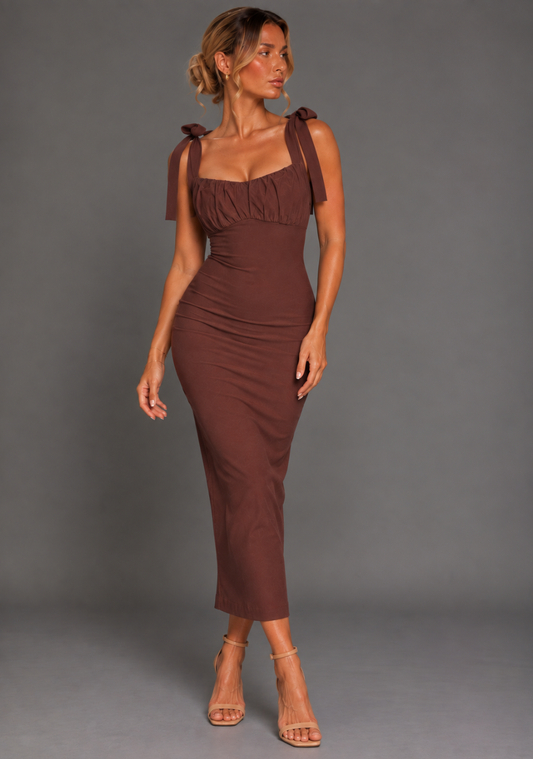
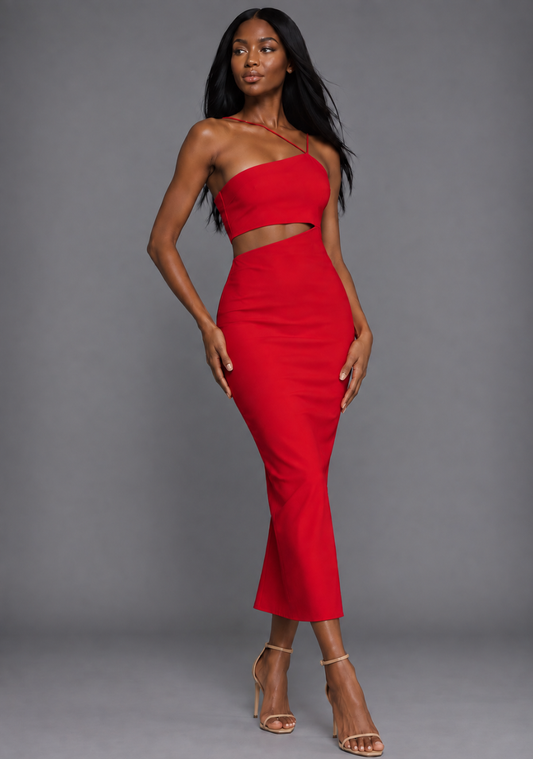
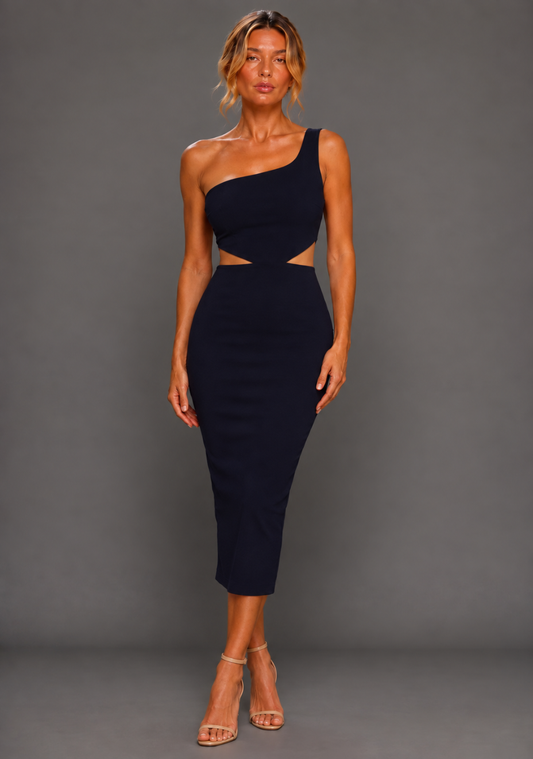
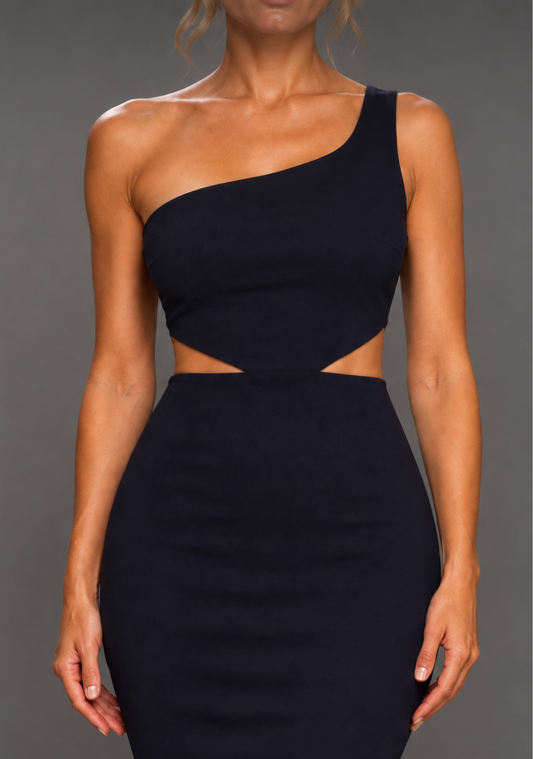
Stretch mesh panels, sculpted cut-outs, and open-back silhouettes create subtle moments of transparency without compromising polish. The effect is lighter and more architectural than overtly revealing. Take, for example, dresses that combine structured fabrics with sheer or open elements. A design may appear minimal from the front while revealing unexpected detail from the back. This contrast creates intrigue without overwhelming the overall silhouette.
This is where modern transparency feels most relevant: when it enhances the design rather than dominating it.
Layering Techniques: Making Sheer Wearable
One of the reasons sheer dressing has become more accessible is layering. By pairing transparent elements with supportive base layers, the look becomes both wearable and adaptable.
A classic technique is the slip layer - a fitted slip dress or bodysuit worn beneath sheer fabric. This creates coverage while allowing the outer layer to move freely. The result feels fluid rather than revealing.
Another interpretation of layering comes through built-in lingerie elements. Instead of adding additional garments, some designs incorporate delicate lace pieces beneath structured fabrics to create dimension and contrast.
The Lyra Sculpted Midaxi Dress is a good example of this approach. The sculpted silhouette is complemented by a delicate lace bralette detail beneath the neckline, introducing a subtle moment of transparency while maintaining structure and support. The result feels modern and refined rather than overtly sheer.
Similarly, the Orla Open Back Mini Dress uses a lace bralette element as part of the design itself. The lace detail softens the silhouette and adds visual texture, allowing the look to reference the transparency trend in a controlled and elegant way.

These types of layered details capture the essence of modern sheer dressing - revealing just enough to feel contemporary while keeping the overall look polished.
The Art of Reveal: Open Backs and Strategic Detail
Transparency doesn’t always come from sheer fabric. In many cases, the most effective interpretation of the trend is strategic reveal.
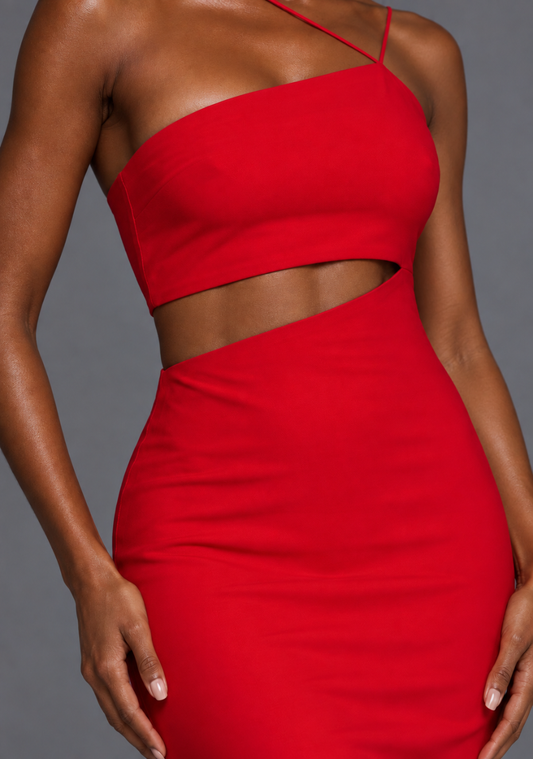
Open backs, sculpted cut-outs, and delicate lace inserts introduce moments of exposure while keeping the front of the silhouette clean and refined. This contrast creates intrigue without overwhelming the design.
The Noa Open Back Mini Dress demonstrates this balance beautifully. While the front remains structured and minimal, the open-back design introduces an unexpected element of softness. Lace side detailing adds subtle transparency, creating dimension without dominating the overall look.

Design details like these allow transparency to feel sophisticated rather than dramatic. The focus remains on silhouette and proportion, with sheer elements used to enhance the design rather than define it.
Sheer Tops and Layered Styling
Another accessible way to explore transparency is through lighter layers such as sheer tops or mesh elements.
These pieces work particularly well when styled with structured foundations. High-waisted trousers, tailored skirts, or sculpted dresses anchor the look and prevent it from feeling overly delicate.
Layering also allows transparency to be adjusted depending on the occasion. A sheer layer worn over a slip creates softness and movement, while a structured base layer keeps the look polished.
This flexibility is what makes the modern transparency trend so appealing. Rather than committing to full sheer dressing, small elements of transparency can be introduced gradually, allowing the wearer to control how bold the final look feels.
When Not to Go Sheer
Despite its versatility, transparency isn’t appropriate for every setting.
Professional environments, traditional ceremonies, and formal daytime events often call for more conservative styling. In these situations, subtle transparency — such as contrast panels or open-back silhouettes - can provide interest without feeling out of place.
Even within eveningwear, balance remains important. When transparency is used, the rest of the look should remain refined. Clean silhouettes, minimal accessories, and thoughtful styling ensure the outfit feels elegant rather than theatrical.
The most successful sheer looks are those that feel intentional and considered, never excessive.
Frequently Asked Questions
Is sheer fashion still on trend for 2026?
Yes. Transparency is one of the defining themes of SS26, but its interpretation has evolved. Rather than fully sheer garments, modern designs often incorporate subtle elements such as lace layering, open backs, and delicate textures that create dimension without feeling overly revealing.
How can I wear sheer clothing without feeling exposed?
The key to modern sheer styling is layering. Wearing structured fabrics, slips, or built-in lace elements beneath lighter materials creates balance and coverage. Strategic design details - such as lace bralettes or open-back silhouettes - allow transparency to feel elegant rather than overwhelming.
Are sheer dresses appropriate for evening events?
Yes, when styled thoughtfully. Sheer details often work beautifully for eveningwear when combined with refined silhouettes and supportive layers. Lace inserts, open backs, or subtle mesh elements introduce softness and movement while keeping the overall look polished.
What’s the easiest way to try the transparency trend?
Starting with subtle details is often the most wearable approach. Dresses with lace layering, open-back silhouettes, or delicate transparent elements capture the spirit of the trend without requiring full sheer garments.
Can sheer styles still feel elegant?
Absolutely. The most sophisticated interpretations of the transparency trend rely on restraint. Clean silhouettes, thoughtful fabric combinations, and carefully placed sheer elements allow the look to feel refined and modern.
When should you avoid sheer styling?
Certain settings call for more coverage. Professional environments, traditional ceremonies, or formal daytime events often benefit from minimal transparency. In these cases, designs that use subtle lace details or structured silhouettes offer a more appropriate balance.
Final Thoughts
The transparency trend of SS26 is less about exposure and more about design. Rather than fully sheer garments, modern interpretations rely on contrast, layering, and subtle reveal.
Open backs, sculpted silhouettes, and thoughtful fabric combinations allow transparency to feel elegant and wearable. These details introduce intrigue without compromising sophistication.
When approached this way, sheer dressing becomes less about following a trend and more about embracing dimension, movement, and confidence in design.
For 2026, transparency isn’t about showing more - it’s about revealing just enough.
18th March 2026