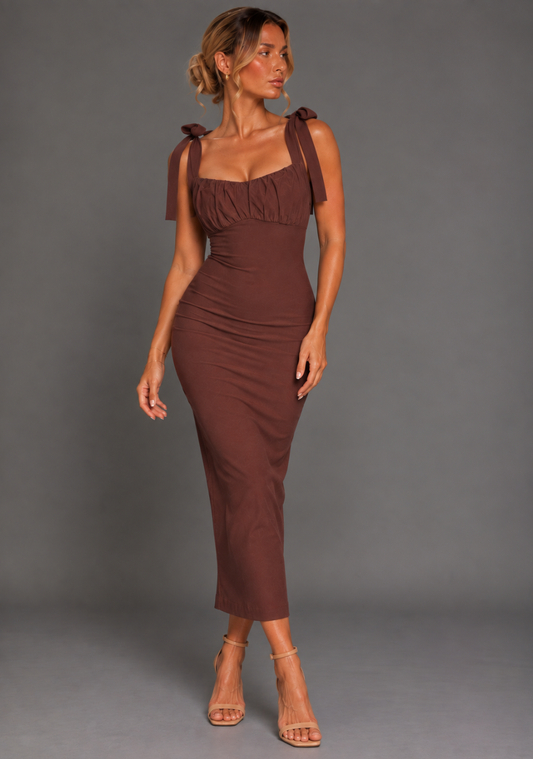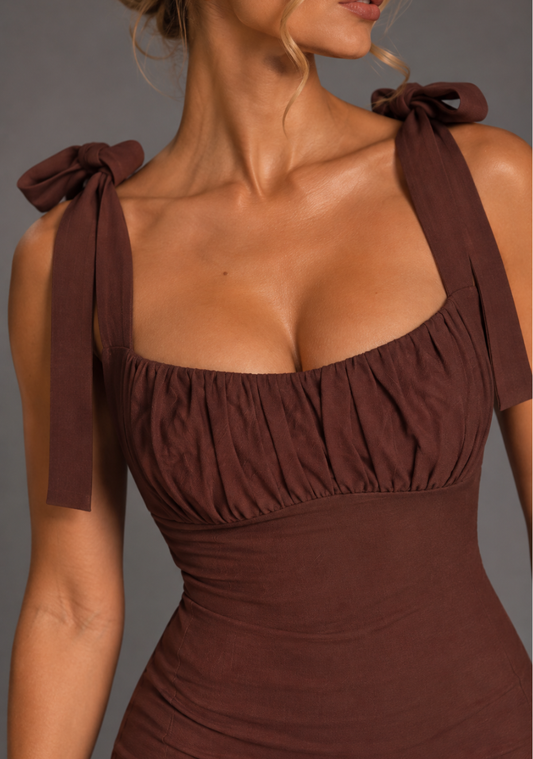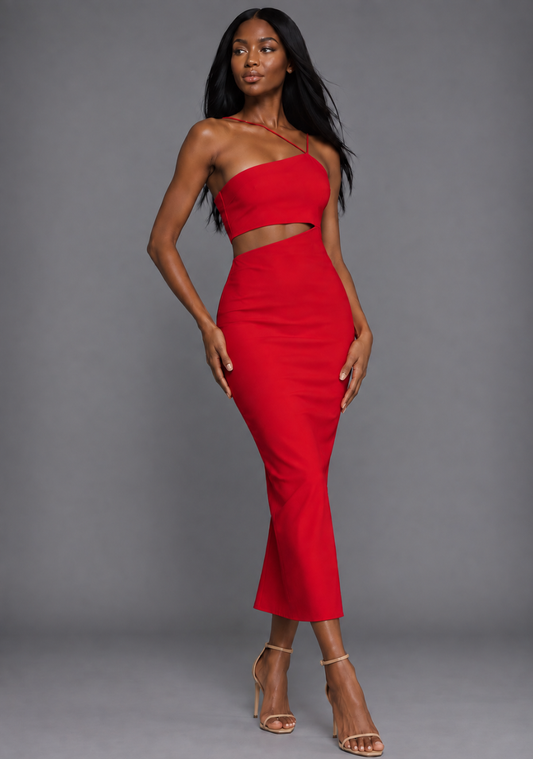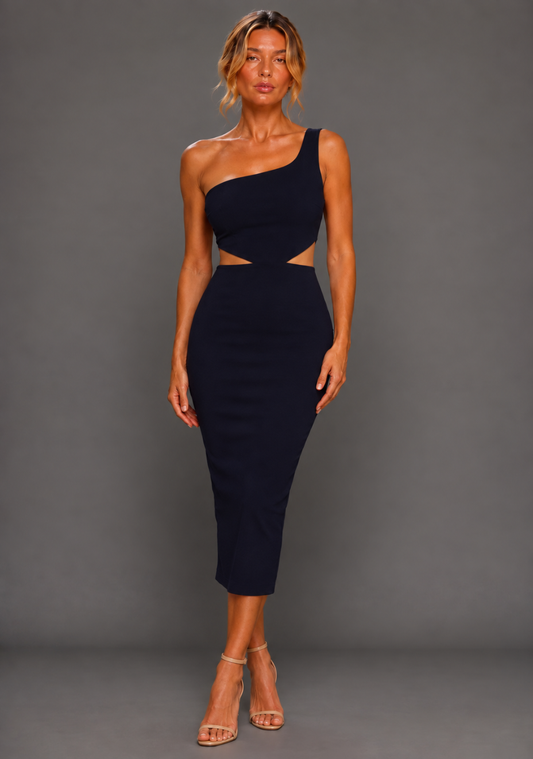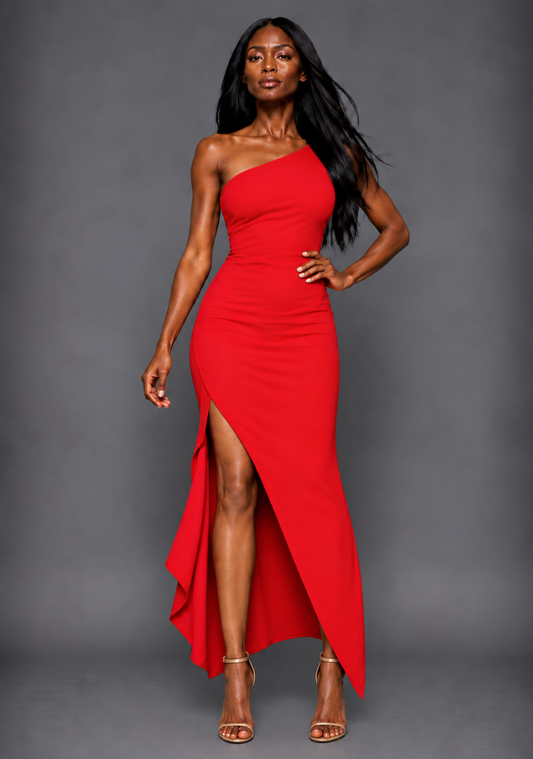
How to Style a Satin Dress 5 Ways

Satin has a way of elevating even the simplest silhouette. It reflects light softly, moves fluidly with the body, and carries an inherent sense of occasion without feeling excessive. Whether worn for evening events, formal settings, or pared-back moments that still call for polish, a satin dress is one of the most versatile pieces in a considered wardrobe. Styling satin is less about adding impact and more about balance. The fabric already brings presence. The most successful looks allow it to do the work, focusing instead on proportion, texture, and intention.
Why Satin Always Works
Satin’s appeal also lies in its ability to transcend trends. While silhouettes and styling cues evolve, satin remains constant - not because it is traditional, but because it is adaptable. It has the rare ability to feel both timeless and contemporary, depending entirely on how it is cut and styled. Unlike fabrics that rely on embellishment or structure for impact, satin draws its strength from movement. The way it skims the body, catches light, and responds to motion gives even the simplest design a sense of intention. This makes it especially suited to modern dressing, where confidence often comes from ease rather than excess.
Satin also offers versatility across occasions. A well-cut satin dress can feel just as appropriate at a formal evening event as it does styled down for a more understated setting. With subtle changes in proportion, layering, and accessories, the same dress can move between moments without losing its sense of refinement. This flexibility is what makes satin a foundation piece rather than a one-off statement.
Perhaps most importantly, satin rewards restraint. Over styling can quickly overpower the fabric, while considered choices allow its natural qualities to shine. When satin is treated as the focal point rather than a backdrop, the result feels polished, modern, and quietly assured.
Here are five refined ways to style a satin dress - each designed to feel effortless, modern, and adaptable.
1. Minimal Evening: Let the Fabric Lead
For evening occasions, satin is most powerful when it remains the focal point. Clean lines, restrained accessories, and a confident silhouette allow the fabric’s natural sheen to take centre stage.
A satin dress styled simply, with delicate jewellery, a structured clutch, and understated heels feels timeless rather than performative. This approach works particularly well for formal dinners, gallery events, or occasions where elegance is expected without overt drama.
The key is restraint. When everything else is quiet, satin reads as intentional.
2. Modern Black Tie: Refined, Not Overstated
Satin is a natural fit for black tie and formal settings, offering a softer alternative to heavier fabrics while maintaining the required level of formality.
For these occasions, focus on silhouette first. Floor-length or midaxi satin dresses with clean construction feel confident and appropriate. Accessories should enhance rather than compete - sculptural earrings, a sleek heel, and considered proportions throughout.
Black tie dressing is about polish, not excess. Satin delivers that balance effortlessly when styled with clarity.

3. Elevated Day-to-Evening: Soft Structure
One of satin’s most valuable qualities is its adaptability. Styled correctly, it can move seamlessly from day to evening without losing its sense of refinement.
For daytime settings, introduce structure through tailoring. A sharp blazer layered over a satin dress, paired with minimalist footwear, shifts the look into something more relaxed yet still elevated. The contrast between fluid fabric and clean lines creates interest without feeling forced.
This approach works well for dinners that begin early, events that blur formality, or moments where versatility matters.
4. Textural Contrast: Adding Depth Without Distraction
Satin pairs beautifully with contrasting textures. Matte finishes, soft knits, or subtle leather details add dimension without detracting from the fabric’s natural elegance.
Think tonal layering rather than bold contrast. A satin dress styled with a fine-knit wrap, a softly structured jacket, or understated accessories introduces depth while maintaining cohesion.
The goal is balance - allowing satin to remain central while supporting it with considered textures that enhance, rather than overpower, the look.
Satin as Contrast: A Modern Detail
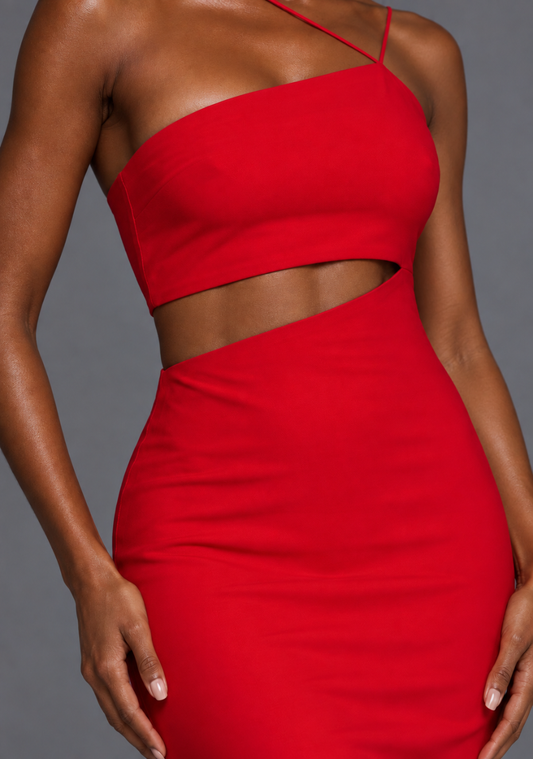
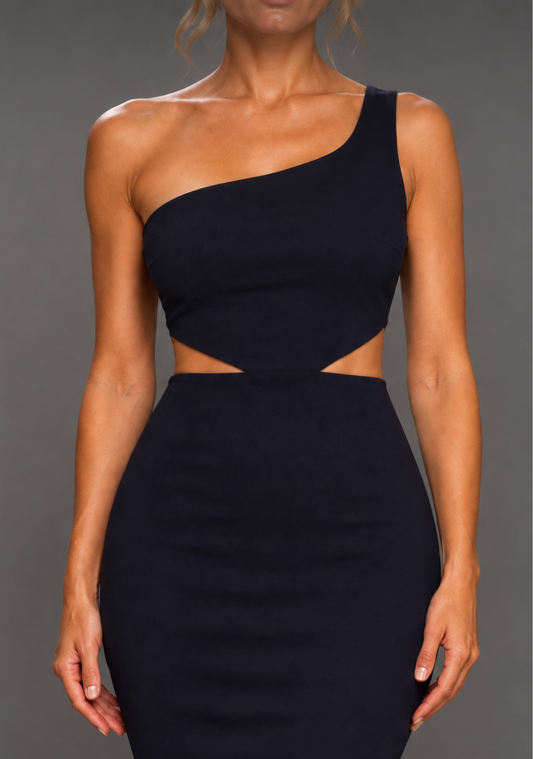
Satin doesn’t need to dominate an entire silhouette to make an impact. Used as a contrast - through panels, trims, or subtle detailing - it introduces depth and dimension without overwhelming the design. This approach feels particularly modern, pairing the softness and sheen of satin with more structured or matte fabrics.
A dress with satin contrast offers the same sense of refinement while adding visual interest through texture rather than embellishment. The result feels considered and directional, especially when the contrast is tonal and integrated seamlessly into the silhouette.
Styled simply, satin contrast details elevate the overall look while maintaining balance, allowing the design to feel intentional rather than decorative.
5. Modern Simplicity: Clean Lines, Confident Styling
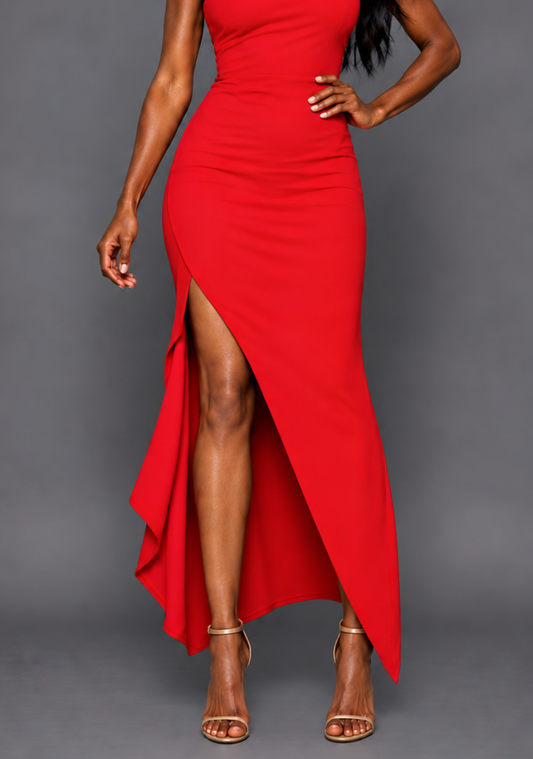
At its most contemporary, satin feels effortless and understated. Clean silhouettes, minimal styling, and thoughtful proportions allow the dress to speak for itself.
This approach suits modern weddings, evening receptions, and occasions where confidence comes from simplicity. Avoid unnecessary embellishment. Focus instead on fit, drape, and movement.
When styled with intention, satin feels quietly powerful - modern, polished, and self-assured.

Frequently Asked Questions
What makes satin different from other evening fabrics?
Satin is defined less by fibre and more by weave. Its signature smooth surface and subtle sheen come from the way the threads are constructed, which allows the fabric to reflect light softly rather than sharply. This gives satin its characteristic elegance and fluidity. Compared to matte fabrics, satin feels more elevated, and compared to heavily embellished materials, it remains understated. It’s this balance that makes satin so enduring
Is satin suitable for formal events?
Yes. Satin has long been associated with eveningwear and formal dressing because of how it drapes and moves. When cut with intention, satin dresses feel entirely appropriate for black tie events, formal dinners, weddings, and evening receptions. The key lies in silhouette and finish - refined shapes and considered details ensure the fabric reads as elegant rather than informal.
How should a satin dress fit?
A satin dress should skim the body rather than cling tightly. The most flattering fits allow room for movement while maintaining clean lines. Overly tight satin can appear restrictive, while overly loose satin may lose definition. The ideal fit feels comfortable, fluid, and intentional - allowing the fabric’s natural movement to do the work.
What accessories work best with satin?
Satin pairs best with restraint. Because the fabric already carries presence, accessories should feel deliberate rather than decorative. Sculptural jewellery, refined heels, and structured bags complement satin without overwhelming it. When in doubt, choose one focal accessory and allow the rest of the look to remain understated.
Can satin be styled for black tie without embellishment?
Absolutely. In fact, satin often looks most confident when left unembellished. Clean silhouettes in high-quality satin can feel just as formal as heavily adorned gowns, particularly when styled with precision. Black tie dressing is about polish and intention, not excess, and satin supports that balance naturally.
Is satin appropriate for weddings?
Satin is a popular choice for weddings - whether as a guest or for evening celebrations - because it feels refined without drawing attention away from the occasion itself. Deep tones, elegant neutrals, and thoughtful styling ensure satin feels respectful and appropriate, especially for formal or evening ceremonies.
Final Thoughts
A satin dress doesn’t need much. Its strength lies in its ability to elevate without excess, to feel special without trying too hard.
The most successful satin looks are built on restraint, balance, and confidence. When the fabric is allowed to lead, styling becomes instinctive - and the result feels effortless every time.
5th January 2026